


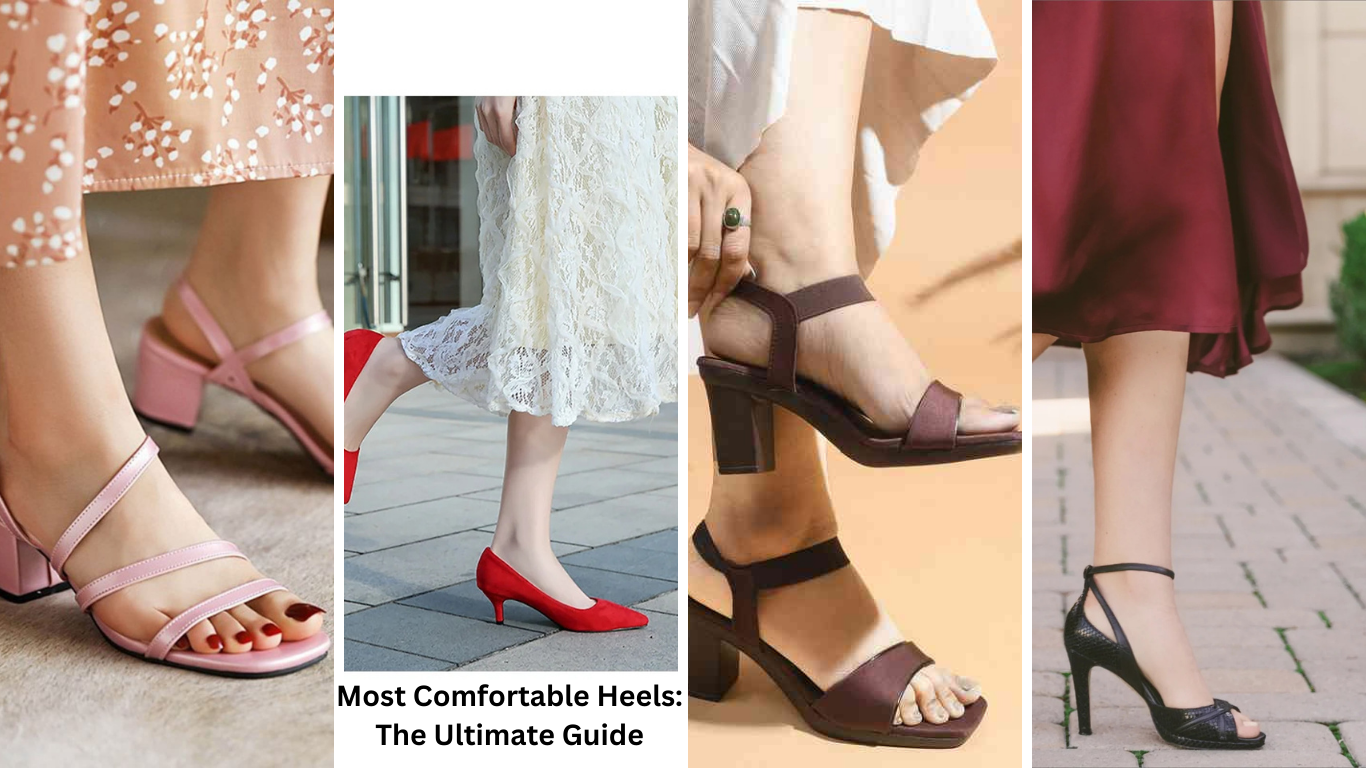
Finding the most comfortable heels can feel impossible—especially if you spend long hours on your feet. Many women love the elegance of heels but hate the discomfort that often comes with them. The good news? Today’s footwear brands are redesigning heels with better support, softer materials, and smarter technology. In this guide, you’ll discover what truly makes a heel comfortable, which brands stand out, and how to choose the perfect pair for any occasion. This article goes beyond basic tips and gives you real examples, expert advice, and insights that many competitors miss. By the end, you’ll know exactly what to look for, what to avoid, and how to enjoy style without sacrificing comfort.
What Makes a Heel Comfortable?
Not all heels are created equal. A few key features determine whether you can wear a pair for hours or only minutes.
Key Factors:
- Cushioned insoles for shock absorption
- Arch support to prevent pain
- Breathable materials for all-day wear
- Balanced heel height
- Wider toe box to reduce pressure
These elements work together to reduce strain while improving posture. When brands add memory foam, ergonomic soles, and stability technology, comfort increases dramatically.
Quick Table: Comfort Features Comparison
| Feature | Why It Matters | Ideal For |
| Cushioned Insoles | Reduces pressure | Long workdays |
| Arch Support | Prevents foot fatigue | Standing for hours |
| Rubber Outsole | Better grip | Walking outdoors |
| Wide Toe Box | No pinching | Wide or sensitive feet |
Best Heel Heights for Maximum Comfort
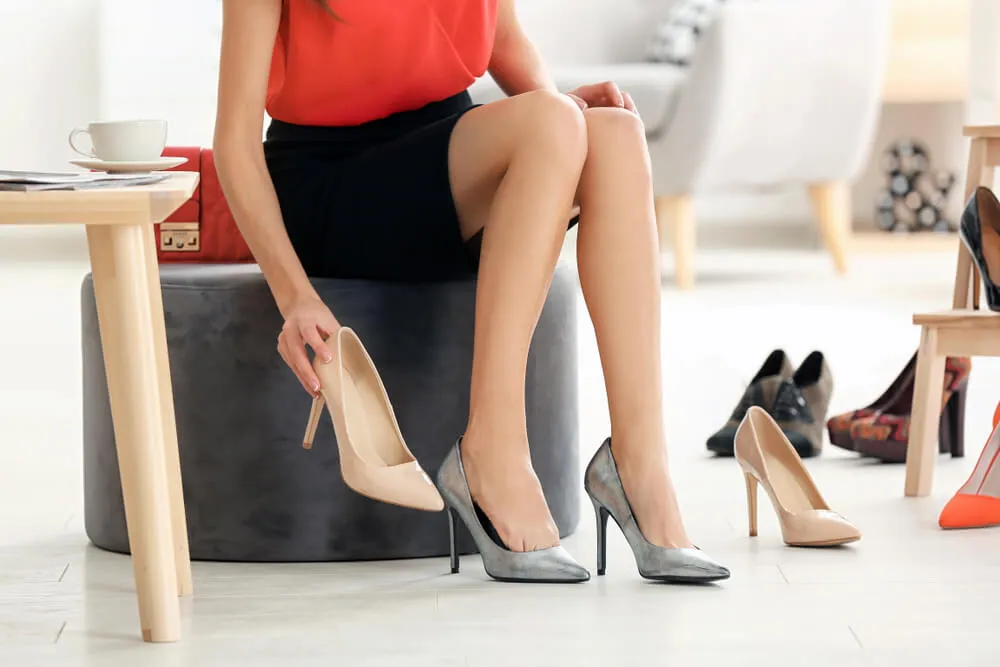
The ideal heel height varies depending on foot shape, experience, and event. Experts often recommend 2–3 inches as the sweet spot. This height gives you elevation without strain. However, some women prefer kitten heels, while others feel stable in block heels because they distribute weight more evenly.
Bullet Points
- Kitten heels: perfect for beginners
- Block heels: excellent stability
- Low wedges: great for all-day wear
- Mid heels: balance comfort and height
Top Styles That Offer the Most Comfortable Heels
Certain styles naturally offer more comfort thanks to wider bases and supportive designs.
Popular Comfortable Styles
- Block heel pumps
- Low wedges
- Platform heels
- Slingbacks
- Ankle-strap heels
These styles reduce pressure on the ball of your foot and help you walk naturally. Platforms, in particular, make higher heels feel shorter by lifting the front of the foot.
Materials That Make Heels More Comfortable
Material matters more than most people realise. Soft and flexible materials adapt to your foot shape and reduce friction.
Best Materials
- Genuine leather
- Suede
- Soft mesh
- High-quality faux leather
- Cushioned lining
Good materials prevent blisters, break in faster, and last longer. Look for terms like buttery leather, padded lining, and breathable fabric.
The Most Comfortable Heels for Work
Office heels need to be chic yet durable. Long wear requires structure and cushioning.
Tips for Work Heels
- Choose block heels or mid-height pumps
- Look for padded arches
- Prioritise non-slip soles
- Avoid narrow toe shapes
A well-made pair will help you move confidently during presentations, meetings, and commutes.
The Most Comfortable Heels for Weddings & Events
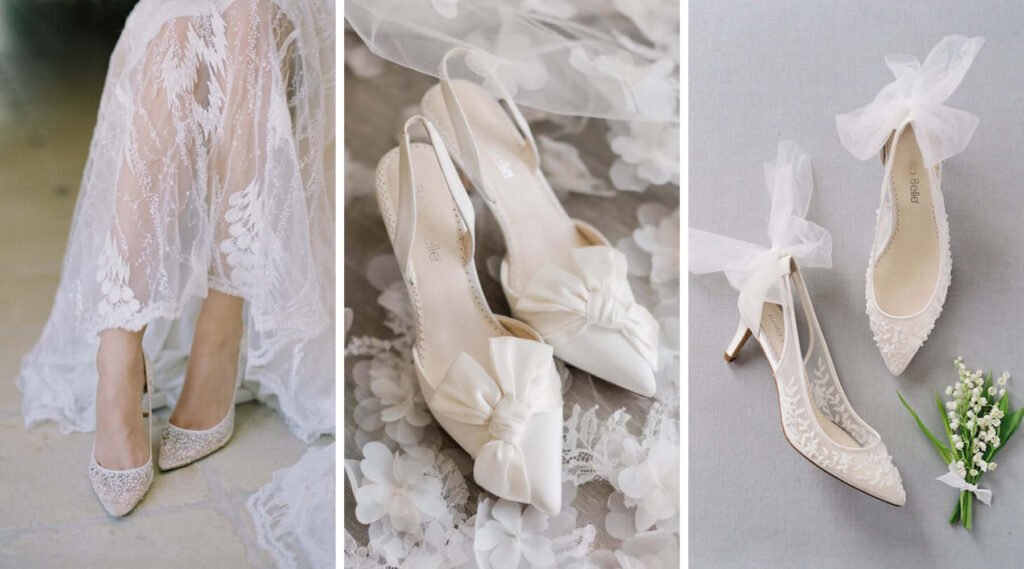
Weddings mean hours of standing, dancing, and posing for photos. Event heels should combine elegance with support. Many brides now choose heels with gel-padded insoles, ankle straps, and balance technology.
Quick Picks
- Cushioned nude pumps
- Silver block heels
- Low platform sandals
- Slingback heels
How to Choose the Right Size for Comfort
Size plays a huge role in comfort. Many women unknowingly wear the wrong size or width, causing pain and long-term issues.
Fit Checklist
- Toes should not feel squeezed
- Heel should not slip
- You should walk without wobbling
- No pinching on sides
- Consider wide-fit heels if needed
Always try heels at the end of the day when feet are naturally swollen.
Tips to Make Any Heel More Comfortable
Even the best heels can be improved with a few smart adjustments.
Hacks for Extra Comfort
- Add gel pads
- Use heel grips
- Choose anti-blister balm
- Stretch the toe area
- Wear cushioned no-show socks
These small additions can transform uncomfortable heels into wearable favourites.
Comfort Trends in Modern Heels
Today’s footwear industry is shifting toward comfort-first designs. Brands use technologies like memory foam, pressure-mapping, and lightweight soles.
Growing Trends
- Sustainable materials
- Ergonomic designs
- Hybrid heels
- Shock-absorbing platforms
Innovation is making comfortable heels not only possible but stylish.
FAQs
1. What heel height is most comfortable for daily wear?
Heel heights between 2–3 inches are generally the easiest to walk in.
2. Are block heels better for comfort?
Yes. Block heels offer more stability and reduce pressure on the feet.
3. Which materials feel softest on the feet?
Genuine leather and suede adjust to your foot shape and prevent blisters.
4. Can I make heels more comfortable?
Yes—use gel pads, heel grips, and padded insoles for instant comfort.
5. Are platform heels easier to walk in?
Platforms reduce the angle of your foot, making higher heels feel more comfortable.
Conclusion
Finding the most comfortable heels starts with understanding your feet and choosing the right styles, materials, and height. When you invest in quality design and support, you enjoy confidence, elegance, and pain-free style. Try exploring new brands and comfort technologies to discover your perfect pair—and don’t forget to share your experience or ask questions to help others too.
