


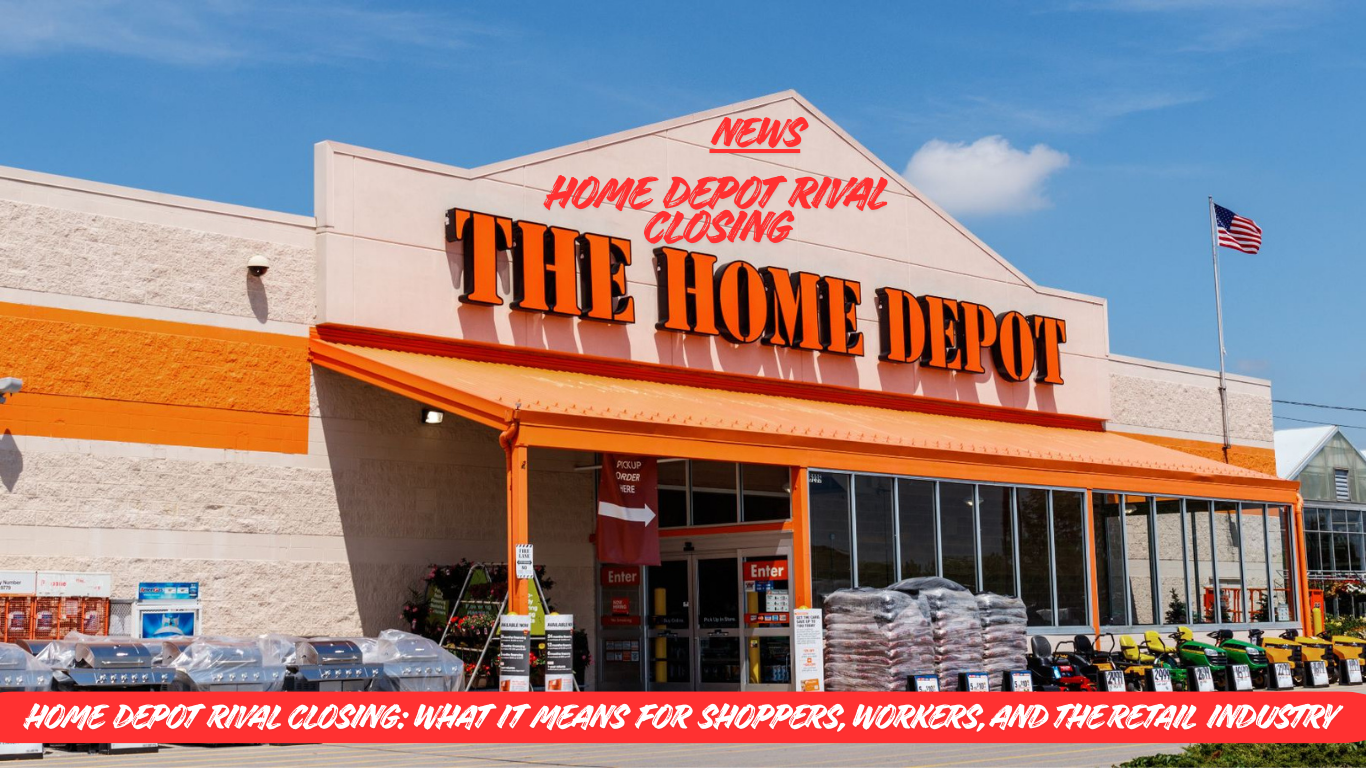
The news of a major home depot rival closing stores has stirred strong reactions across the United States and the United Kingdom. In the first wave of reports, many shoppers were shocked to see well-known locations shutting their doors after decades of service. This shift promises to reshape how millions of people shop for tools, hardware, and home-improvement supplies. In this in-depth guide, we’ll explore what led to these closures, how they impact customers, and what the future may hold for the home-improvement industry. You’ll learn what competitors missed, what the trends reveal, and how the market might evolve. Our goal is to give you a clear, human, and helpful explanation—without the fluff.
Why a Major Home-Improvement Competitor Is Closing
Several factors contributed to the closure of this big-box hardware retailer, but three key elements stand out:
- Rising operational costs
- Changing consumer shopping habits
- Aggressive competition from Home Depot and other chains
Over the past few years, supply chain disruptions, inflation, and declining store traffic have pushed many large hardware chains to rethink their strategies. Online retailers gained an edge by offering convenience, fast delivery, and sometimes lower prices. Home Depot maintained strong momentum by investing heavily in digital infrastructure, in-store pickup, and contractor-focused services. While the rival made attempts to modernise, it struggled to keep pace.
The Retail Landscape and Shifting Customer Behaviour
The home-improvement market has seen enormous change. People now prefer:
- Faster online ordering
- Better price comparisons
- DIY content and how-to guides
- Seamless mobile shopping
Customers also want curbside pickup, same-day delivery, and bundled deals—services the closing chain was slow to adopt. This hesitation created a competitive gap, especially as Home Depot accelerated its digital expansion. The company’s app, loyalty programmes, and strong supplier networks gave it an edge in both cost structure and customer satisfaction.
Operational Costs and Store Performance Issues

Many locations suffered from high rent, low local demand, and outdated layouts. Store traffic dropped, but labour and logistics costs continued to rise. A typical struggling location showed:
| Expense Type | Impact Level | Notes |
| Rent & utilities | High | Urban areas hit hardest |
| Staff wages | Moderate | Rising minimum wages |
| Inventory losses | High | Overstock and aging supply |
| Distribution fees | Moderate | Fuel and transport spikes |
This imbalance made some stores unprofitable for years. Executives eventually decided that downsizing or closing several branches was the only financially viable option.
Competition from Home Depot and Other Powerhouses
Home Depot’s influence is impossible to ignore. Its advantages include:
- A powerful contractor loyalty ecosystem
- Large-scale bulk pricing
- Extensive in-house product lines
- Strong customer service training
- Advanced digital fulfilment systems
Other competitors—including UK chains and online giants—also chipped away at market share. With multiple battles happening at once, the closing retailer struggled to maintain relevance and profitability.
How the Store Closures Affect Shoppers
Shoppers across different regions will notice several changes:
What Will Change for Customers
- Fewer local options for tools and hardware
- Reduced access to specialty products and niche inventory
- Potential price shifts at competing stores
- Longer travel for in-person shopping
Many loyal customers feel disappointed, especially those who prefer browsing physical aisles rather than buying online. Small towns may feel the impact most because they lose a trusted store that provided advice, materials, and convenience.
Impact on Employees and Local Communities
Store closures always bring concern for employees. Hundreds of workers face:
- Job displacement
- Relocation offers
- Limited local opportunities
- Uncertainty about benefits and severance
Local communities may also lose training workshops, trade events, and community programmes previously hosted by the chain. Hardware stores aren’t just commercial spaces—they’re local hubs for DIYers, contractors, and homeowners.
Are More Closures Coming?
Industry analysts believe more closures may follow if certain conditions persist:
- High inflation
- Online shopping dominance
- Rising commercial real estate costs
- Supply chain volatility
Retailers that fail to innovate risk becoming obsolete. Those investing in AI-based inventory systems, faster delivery, and mobile-first experiences stand a better chance of surviving.
How Home Depot Is Responding
Interestingly, Home Depot has not responded with price hikes; instead, it continues improving:
- Expanded pro-services
- Faster delivery
- Exclusive product partnerships
- Training programmes for tradespeople
- Strategic acquisitions in the tool industry
This approach strengthens customer loyalty and keeps Home Depot at the top of the market. While some rivals shrink, Home Depot doubles down on growth.
What DIY Enthusiasts Should Expect Next
With one less major competitor, shoppers may see:
- More promotions from remaining retailers
- Expanded e-commerce offerings
- Growth in private-label brands
- New tool subscription services
- More virtual DIY workshops
The industry is shifting toward convenience and online-first buying, but in-store experiences won’t disappear entirely. Many still prefer hands-on browsing—especially for tools, tiles, wood, and paint.
FAQs
Q1. Why is a Home Depot rival closing multiple stores?
Rising costs, low foot traffic, and increasing competition made many locations unprofitable.
Q2. Will this affect tool and hardware prices locally?
Prices may shift slightly as competitors adjust their strategies.
Q3. What happens to employees?
Some may be relocated, while others may face job loss depending on the region.
Q4. Are all stores closing permanently?
Only selected underperforming locations are shutting down.
Q5. Will the closures impact online shoppers too?
Online services may continue, but inventory could be reduced.
Conclusion
The news of a home depot rival closing is a major shift in the retail landscape. It reflects changing consumer habits, increasing competition, and financial pressures that many big retailers face today. For shoppers, the closures bring both challenges and opportunities—while for the industry, they signal the importance of innovation and digital transformation. If you’ve been affected, share your experience or thoughts. Your voice helps shape the future of retail discussions.
